Opioid overdose: recognize and respond
How to spot an opioid overdose, give naloxone (Narcan) and keep someone breathing until help arrives.
What are opioids?
Opioids are drugs that relieve pain and slow breathing. They include prescription pain medicines such as oxycodone and hydrocodone, as well as heroin and fentanyl. Too much can slow or stop breathing. Illegally made fentanyl is extremely strong and is often mixed into other drugs without people knowing, which is why overdoses have become so common.
Signs of an overdose
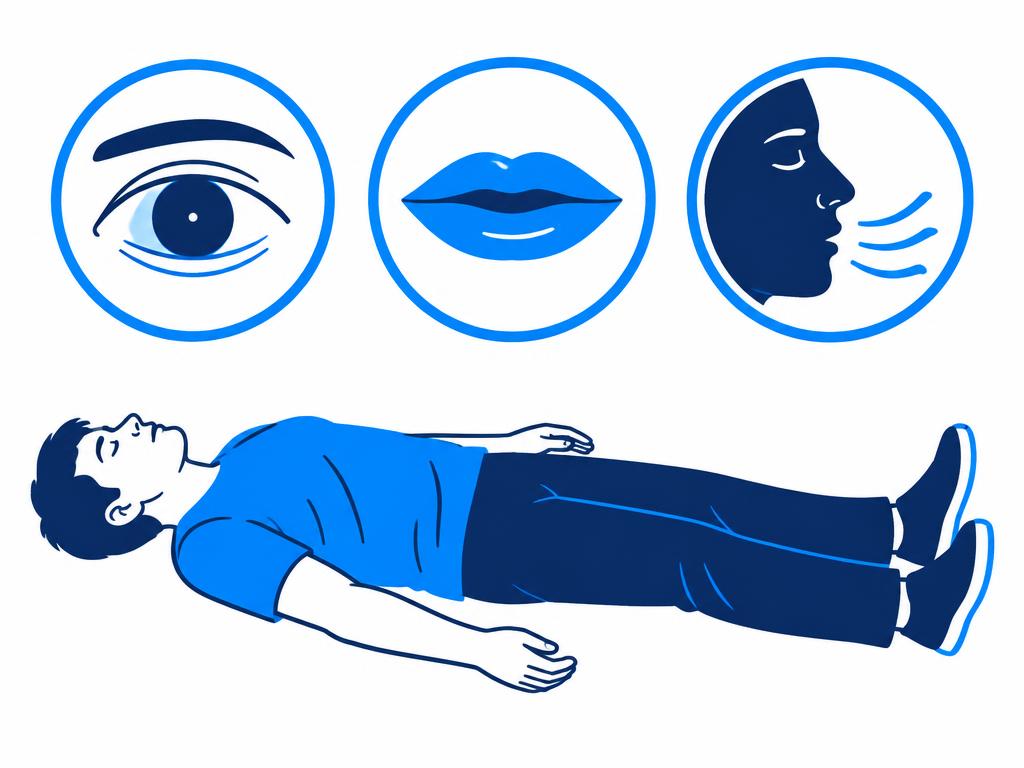
- Won't wake up or respond to your voice or a firm rub on the breastbone
- Slow, shallow or stopped breathing
- Gurgling, choking or snoring sounds
- Blue or gray lips and fingertips
- Pinpoint (very small) pupils
- Cold, clammy skin and a limp body
How to respond
- 1Make sure the scene is safe, then shout and firmly rub the breastbone to check if they respond.
- 2Call 911 — or have someone call — and get naloxone and an AED if available.
- 3Give naloxone: lay them on their back, insert the nasal spray tip in one nostril and press the plunger.
- 4If they aren't breathing normally, give rescue breaths or start CPR.
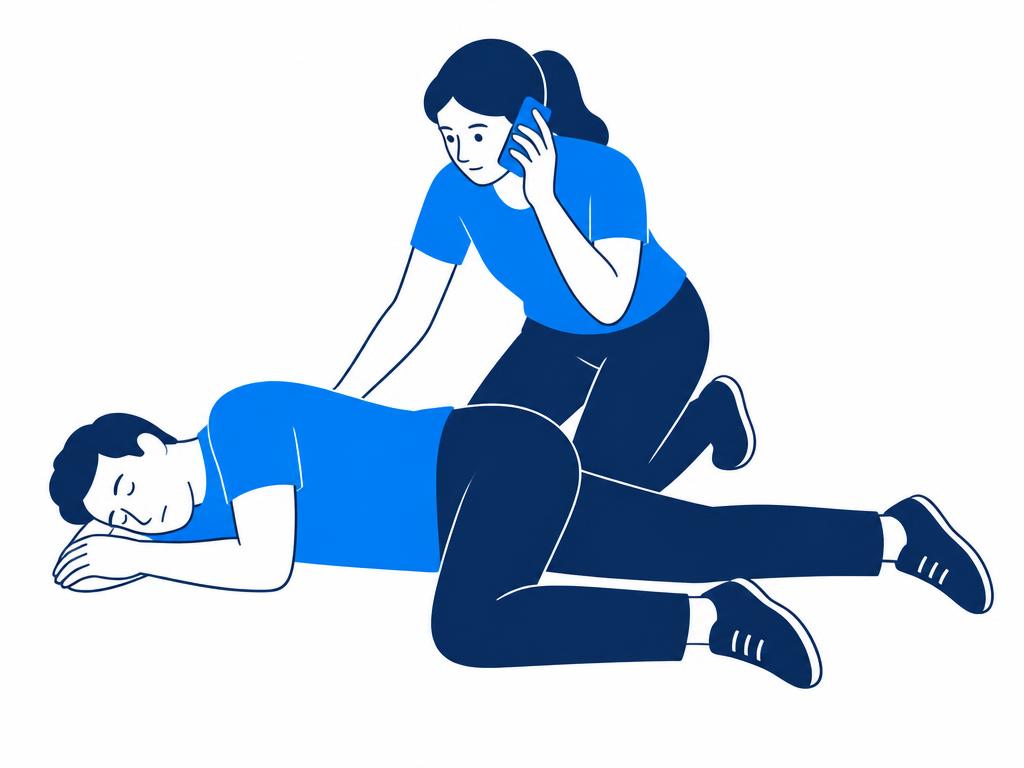
- 5If they are breathing, place them in the recovery position on their side.
- 6If there's no response after 2–3 minutes, give a second dose in the other nostril.
- 7Stay with them until help arrives — naloxone can wear off and the overdose can return.
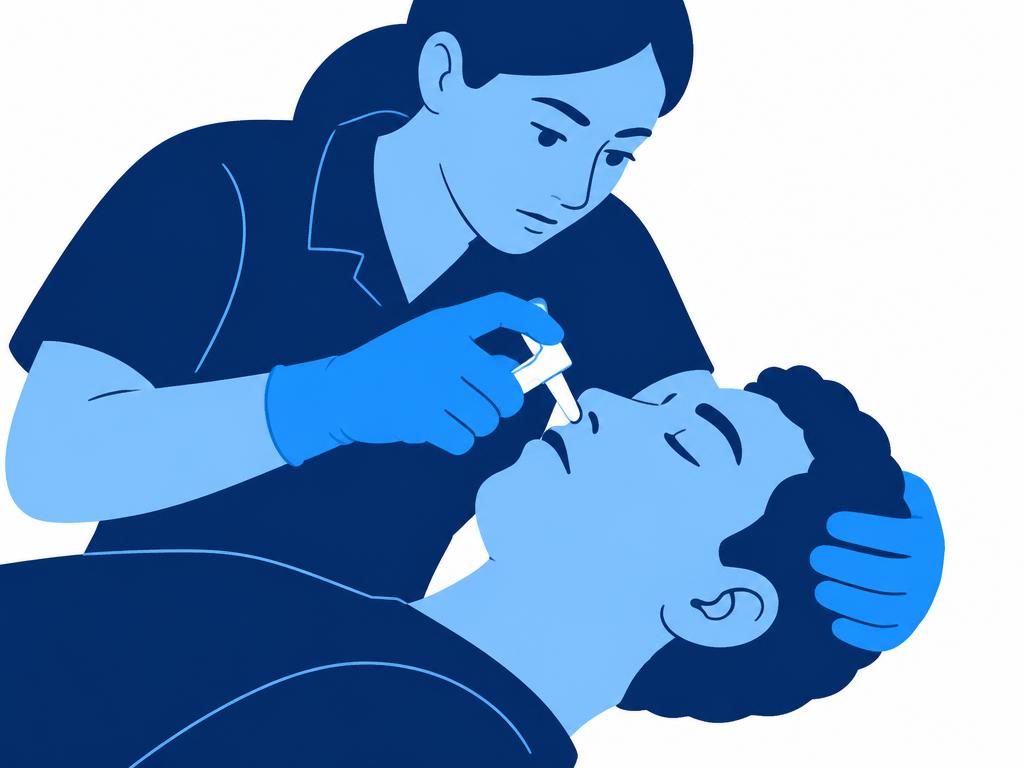
Recovery position
Turning someone onto their side keeps the airway open and helps prevent choking if they vomit. Keep watching their breathing and be ready to start CPR.
About naloxone
- Naloxone (Narcan) quickly reverses the effects of an opioid overdose.
- It is safe and won't harm someone who isn't on opioids.
- Over-the-counter nasal spray is available without a prescription at many pharmacies.
- Keep it at home, at work and in first aid kits, and check the expiration date.
- The person may wake up confused or in withdrawal — stay calm and supportive.
Good Samaritan laws and stigma
Most U.S. states have Good Samaritan laws that protect people who call 911 for an overdose. Substance use disorder is a medical condition — treating people with respect and getting them help saves lives.
Get trained
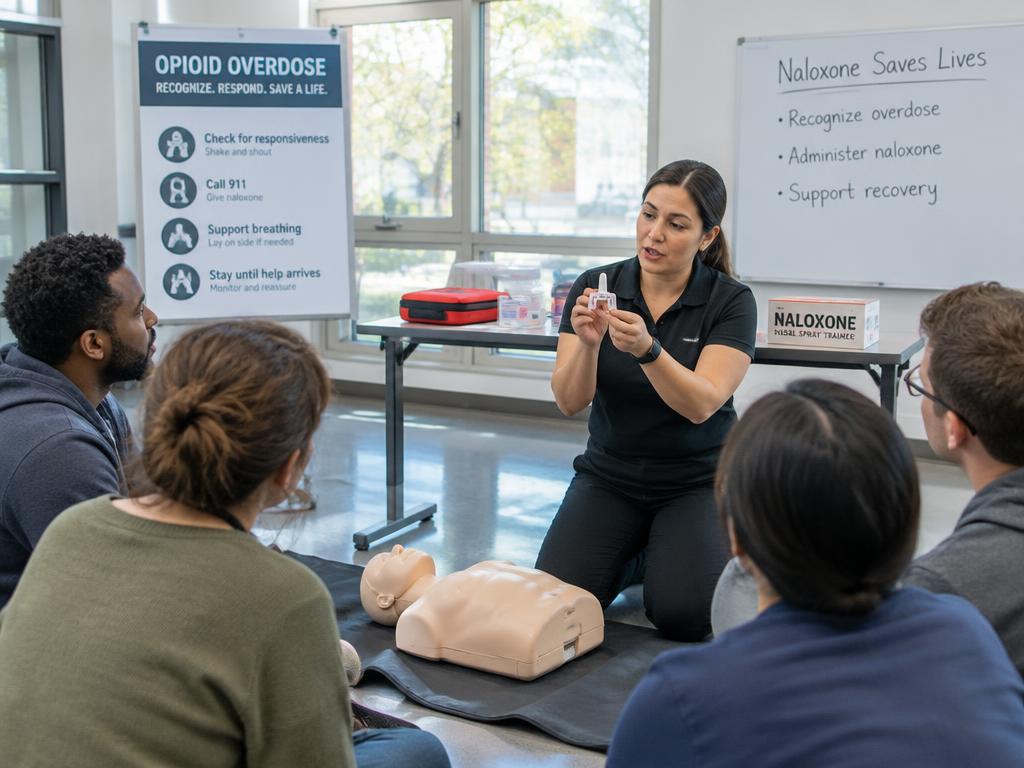
Our Opioid Overdose Response & Naloxone course gives workplaces, schools, families and communities hands-on practice with naloxone trainers, rescue breathing and CPR.
This guide is for general education and is not a substitute for hands-on training with a certified instructor. In an emergency, call 911.